Turn Your Dream Home Into Reality: Expert Home Builder Services Tailored for You
Turning a dream home into reality requires careful planning and expert guidance. Hiring the right home builder can make all the difference in developing a personalized space that reflects individual tastes and needs. These professionals navigate the challenges of design and construction, ensuring that every detail aligns with the homeowner's vision. However, choosing the ideal builder and understanding the process can be challenging. What key factors should one consider before starting on this journey?
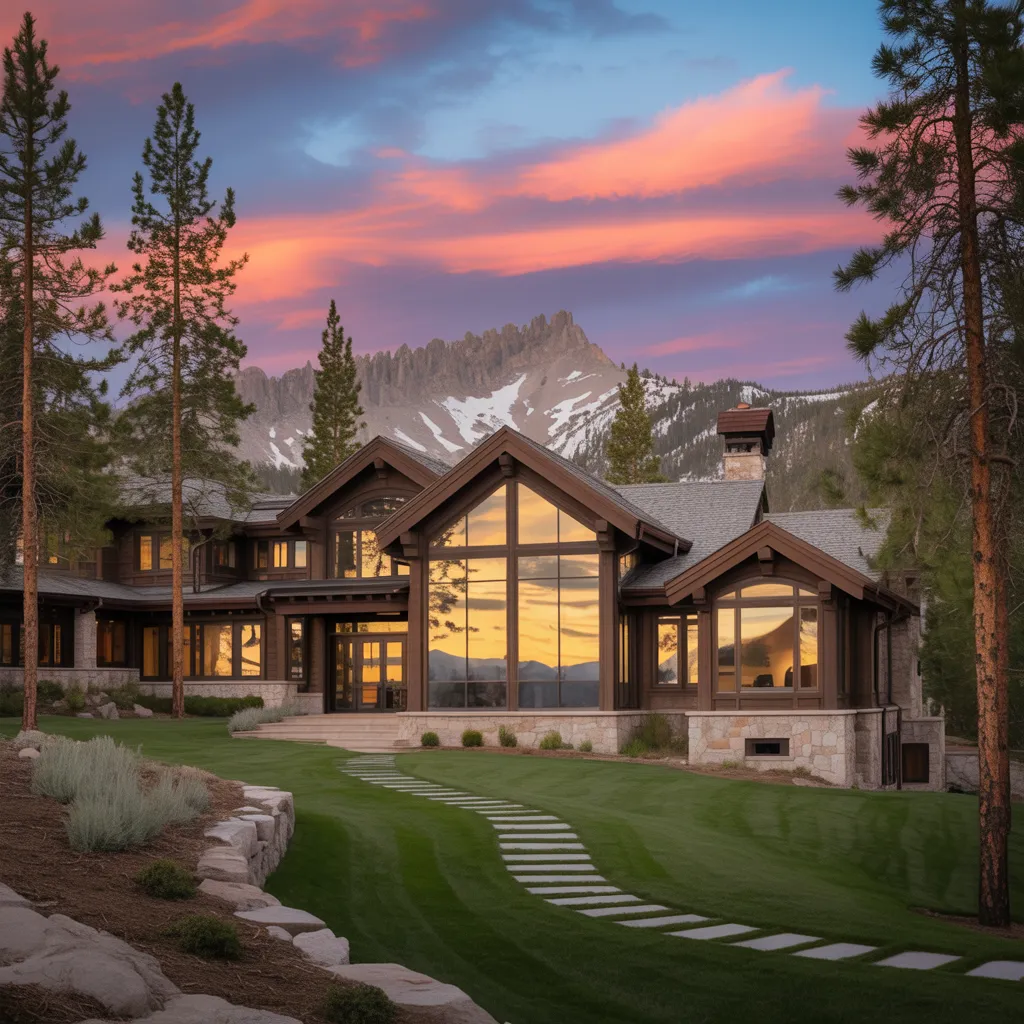
The Guide to Choosing Your Home Builder
Choosing the right home builder can often feel daunting, but understanding key factors can ease the process. First, potential homeowners should evaluate the builder's experience and reputation. Checking online reviews and asking for references can provide details into the builder's past projects and client satisfaction. Additionally, it's vital to verify that the builder is licensed and insured, ensuring compliance with local regulations.
Subsequently, homeowners should assess the builder's specialization. Some builders focus on particular styles or types of homes, which may fit better with unique preferences. It is also important to examine the builder's communication style; an open line of communication fosters a more efficient collaboration throughout the construction process.
Finally, getting detailed quotes and comparing them can help homeowners comprehend the budget implications and avoid hidden costs. By prioritizing these aspects, individuals can make a knowledgeable decision when identifying a home builder who fits their vision.
Understanding the Function of an Skilled Home Builder
Though numerous people might dismiss the complexities related to home construction, an expert home builder plays a vital role in transforming design concepts into reality. They serve as a bridge between clients and the construction process, ensuring that visions are accurately translated into tangible structures. Their expertise encompasses several areas, including architectural planning, budgeting, and project management.
Skilled home builders collaborate with architects, subcontractors, and suppliers, ensuring that each stage of construction matches the established timeline and budget. They are skilled in handling local regulations and building codes, which are essential for ensuring compliance and safety. In addition, they emphasize quality craftsmanship while maintaining transparent communication with clients throughout the project. By delivering tailored solutions, professional home builders address specific needs and preferences, creating customized spaces that reflect individual lifestyles. In the end, their broad knowledge and skills make them essential in the home building process.
Benefits of Custom Home Building Services
Custom Home Building Services Benefits
Personalized home construction services provide many benefits that address the distinctive requirements and tastes of property owners. Via cooperation with experienced construction specialists, clients receive the freedom to craft spaces that represent their living style and individual taste. This level of personalization guarantees that the home is not only aesthetically pleasing but also functional for daily living.
Furthermore, custom building allows for the integration of energy-efficient technologies and sustainable materials, promoting long-term savings and environmental responsibility. Homeowners can select layouts, finishes, and features that specifically address their needs, creating enhanced satisfaction and comfort.
Moreover, custom home building can deliver increased property value, as exceptional and well-designed homes often attract higher market interest. The process fosters a sense of ownership and pride, as clients actively take part in crafting their personal sanctuary. Ultimately, custom home building services empower homeowners to realize their vision while enjoying a smooth construction experience.
Step-by-Step Home Building Procedure
How does the home building process unfold from concept to completion? The journey begins with initial consultations, where clients share their vision and requirements. Subsequently, the design phase starts, involving architects and designers to create data detailed blueprints. Once plans are completed, obtaining necessary permits is essential to maintain compliance with local regulations.
Next, the construction phase begins, initiating site preparation and laying the foundation. As the structure takes shape, multiple tradespeople collaborate, including electricians, plumbers, and carpenters, working in coordination to verify the project keeps to schedule. Regular inspections are executed to preserve quality standards.
As the residence nears completion, interior finishes and landscaping are added, converting it into a functional living space. Finally, a walkthrough is performed with the homeowner to confirm satisfaction before presenting the keys. This systematic approach produces a dream home customized to the client's preferences and requirements.
Recommendations for Expressing Your Home Vision
Successfully conveying a home vision can substantially affect the success of the building process. To properly convey this vision, individuals should start by gathering a comprehensive list of ideas, preferences, and inspirations. Visual aids, such as mood boards or Pinterest boards, can help convey particular styles and design elements.
Participating in open discussions with household members or partners makes certain that all parties' feedback is taken into account, encouraging a collaborative approach. It is also vital to express priorities clearly, differentiating between essentials and desirable features.
When meeting with builders or designers, providing a well-organized portfolio of ideas can promote better understanding. Listening to their feedback is equally important, as specialists may share insights that improve the original vision. Finally, ensuring ongoing communication throughout the development process will help to ensure that the final outcome matches the envisioned dream home.
Typical Errors to Prevent When Building Your Dream Home
When building a new house, it is crucial to identify common pitfalls that can cause costly setbacks. Many builders miss the importance of thorough planning, follow too strictly a budget, or overlook building codes. Recognition of these issues can substantially benefit the building experience and outcome.
Failing to Complete Appropriate Planning
Although many individuals are excited to see their dream home come to life, skipping proper planning is a common pitfall that can bring about costly mistakes. Without a detailed plan, homeowners may neglect essential details such as zoning regulations, site selection, and architectural design. This oversight can result in delays, increased expenses, and potential legal issues. Additionally, insufficient planning often creates inefficient use of space, making it hard to achieve the desired functionality of the home. Collaborating with professional home builders at the outset can provide valuable insights and enable a thorough planning process. Eventually, investing time and effort in planning lays the foundation for a successful home-building experience, ensuring the final product aligns with the homeowner's vision.
Ignoring Budget Constraints
Countless property owners become so absorbed in the enthusiasm of building their dream home that they disregard the significance of sticking to budget constraints. This oversight typically brings about financial strain and compromises in quality. Without a clear budget, homeowners might indulge in luxurious features or materials that exceed their financial limits. As costs build up, the project can deviate from plan, bringing about stress and disappointment. Establishing a realistic budget from the outset is crucial for guiding decisions throughout the construction process. Homeowners should frequently review expenditures and adjust expectations as needed. By maintaining a disciplined approach to budgeting, they can guarantee that their dream home remains a feasible reality rather than an overwhelming financial burden.
Disregarding Building Codes
Overlooking building codes can create major complications for homeowners during the construction process. Many homeowners may overlook the value of complying with these regulations, which are designed to maintain safety, quality, and sustainability. Failing to adhere can cause project delays, financial penalties, and even the need for costly modifications. Moreover, homes developed without proper permits may face obstacles during resale, as potential buyers often seek properties that meet legal standards. Homeowners should engage with experienced builders who are familiar with local codes and can navigate the complexities of compliance. By ensuring observance of building codes, homeowners can avoid unnecessary setbacks and create a reliable, well-constructed living environment that fulfills their dreams.
What to Expect in Terms of Costs and Timelines
When commencing on a home building project, homeowners can foresee a spectrum of costs and timelines that vary considerably based on numerous factors. Key considerations include the size and complexity of the design, the materials chosen, and local labor rates. Typically, costs can range from $100 to $400 per square foot, contingent upon these elements. Homeowners should also account for additional expenses such as permits, inspections, and landscaping.
Time requirements are just as flexible, with standard projects taking anywhere from several months to over a year to finish. Elements affecting timelines include the accessibility of contractors, weather circumstances, and any unanticipated delays in material delivery. Homebuyers are advised to establish a precise budget and timeline with their builder upfront, establishing transparency and reducing the probability of surprise costs or delays as the project advances. By recognizing these expectations, homeowners can more effectively navigate their building journey.
Popular Questions
Which Building Materials Are Best for an Environmentally Friendly Home?
The top materials for building a sustainable home include bamboo, reclaimed wood, recycled steel, straw bales, and rammed earth. These materials improve energy efficiency, reduce waste, and contribute to a lower carbon footprint across the construction process.
How Do I Integrate Smart Home Technology Into My Design?
Integrating smart home technology into design can be realized by integrating automated lighting, smart thermostats, security systems, and energy-efficient appliances, ensuring seamless connectivity through a centralized hub for optimized convenience and energy management.
What Permitting Is Necessary for Custom Home Building?
Constructing a custom home generally requires several permits, including building, electrical, plumbing, and zoning permits. Requirements differ by location, so reviewing local regulations and authorities is vital to maintain compliance throughout the construction process.
How Should I Manage Changes Throughout the Construction Process?
To deal with changes during construction, it's essential to communicate immediately with the contractor, document all changes, and assess consequences on timeframes and budgets. Flexibility and clear communication help ensure a smoother adjustment process.
Am I Allowed to Stay On-Site While Building?
Residing on-site during construction is an option. However, it's essential to take into account builder guidelines, safety considerations, and potential disruptions. Communicating with the building team helps provide a more seamless experience for all involved.